
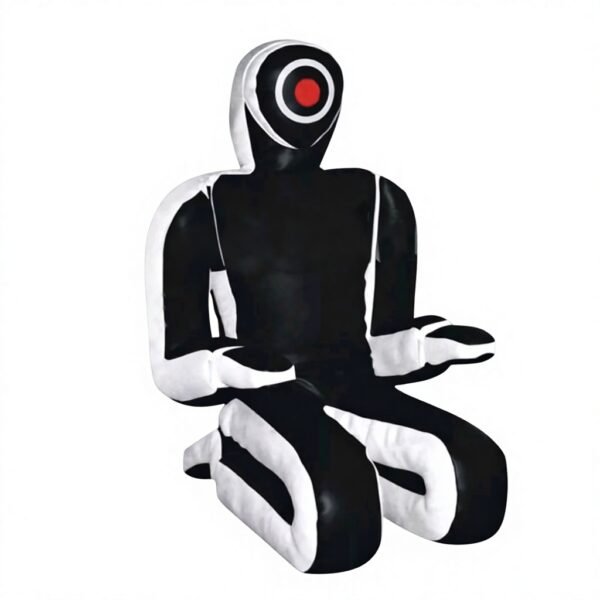
BJJ Grappling Dummy – GD2 Style Durable Polyester Leather Training Model
$199.00 – $250.00
Most size options of any model here. Ships unfilled so you control the final weight; filled available on request.
View OptionsHome Gym Goals stocks grappling dummies built for Brazilian Jiu-Jitsu, MMA, wrestling, Judo and general martial arts conditioning — the kind of solo training partner you reach for when you want extra reps outside of class.
7 models in stock Sizes 3.5 FT – 190 cm Ships unfilled — filled on request
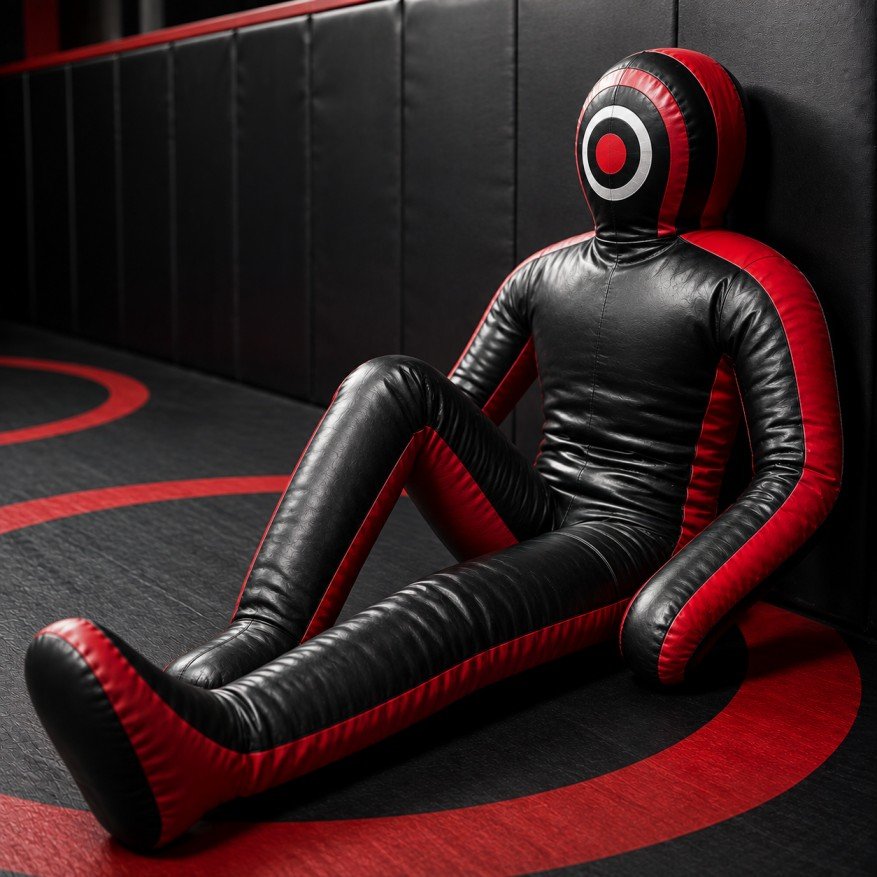
All grappling dummies ship unfilled by default so you control the final weight and firmness. Want a dummy filled and ready to train? Contact us before ordering to arrange the filled option for any model.
$199.00 – $250.00
Most size options of any model here. Ships unfilled so you control the final weight; filled available on request.
View Options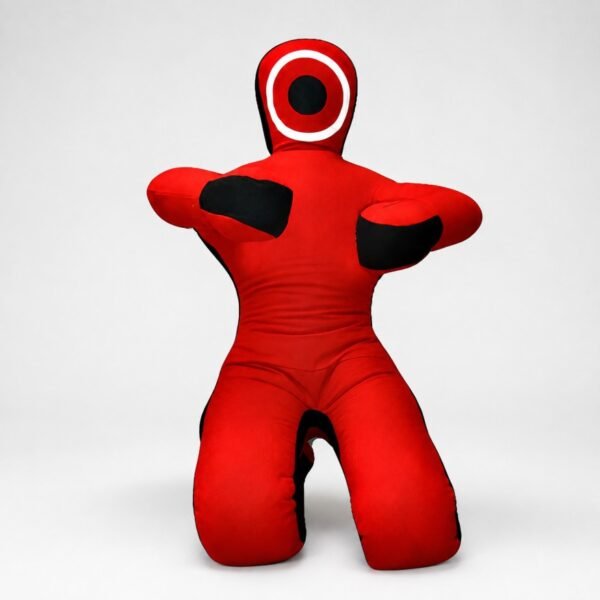
$199.00$149.00
Sitting-and-kneeling shape built for ground submission drilling. Ships unfilled; filled available on request. Discounted from $199.
View Options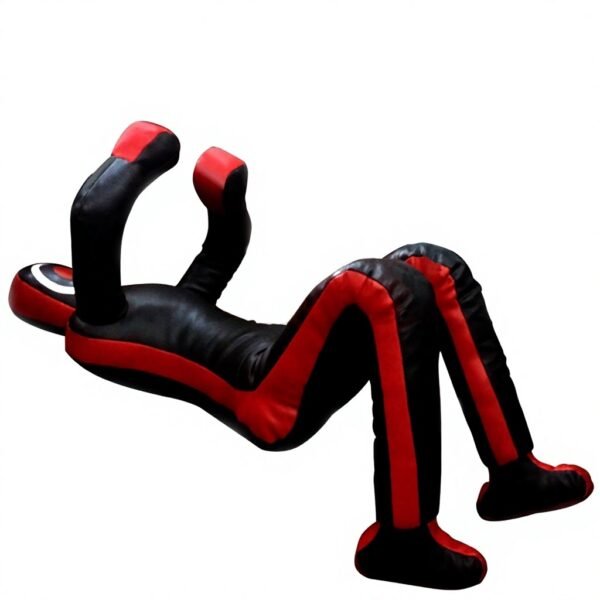
$149.00 – $169.00
Supplied unfilled so you control the final training weight; filled available on request.
View Options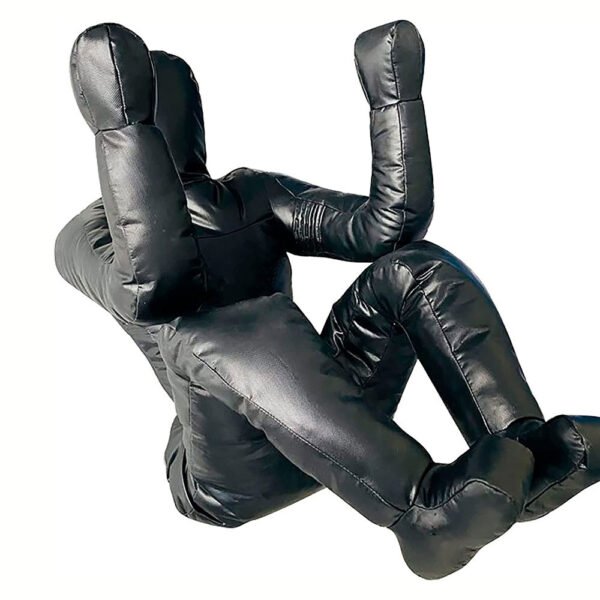
$199.00$149.00
Reinforced stitching and a human-style build for BJJ, MMA, wrestling, Judo and boxing drills. Ships unfilled; filled available on request.
View Options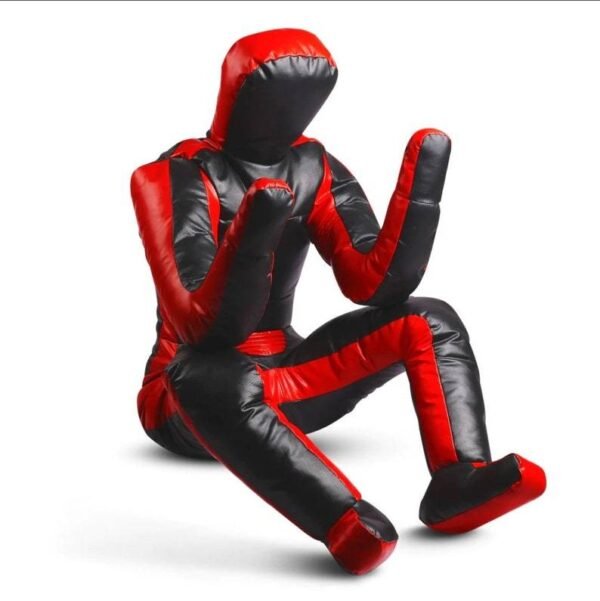
$149.00 – $189.00
The widest size range on this page, from 3.5 FT up to 7 FT, with a waterproof leather exterior. Ships unfilled; filled available on request.
View Options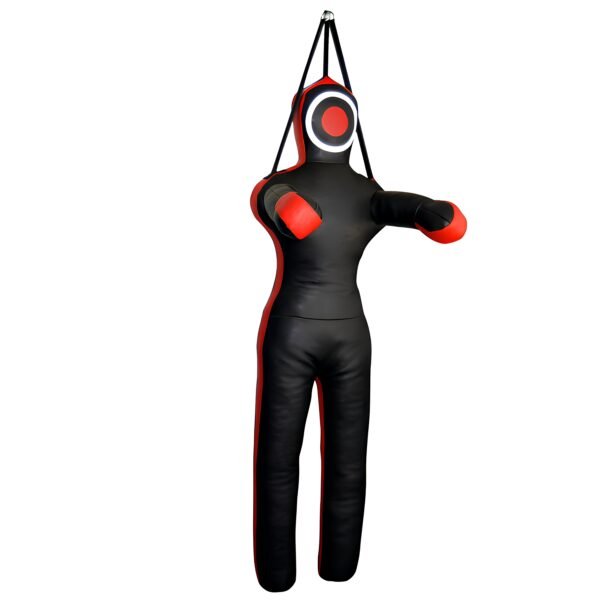
$149.00 – $189.00
Adjustable hanging height for compact setups, plus standing use for clinch and takedown drills. Ships unfilled; filled available on request.
View Options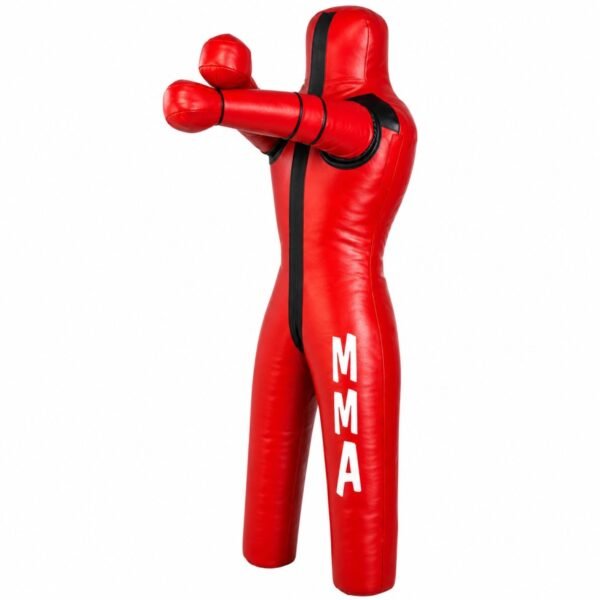
$149.00 – $199.00
Standing human-shaped design that pairs striking practice with takedown and clinch drilling. Ships unfilled; filled available on request.
View OptionsA quick way to shortlist a model before you dig into specs and sizing below.
Specifications below come directly from each product's listing. Sizes and colors vary by model — confirm the exact variant on the product page before ordering.
| Product | Best For | Sizes | Filling | Material | Design | Price | Reviews |
|---|---|---|---|---|---|---|---|
| GD2 Style | Ground positional drilling, home training | 130–190 cm (5 options) | Unfilled (filled on request) | Leather + Polyester | Human-style, lace-up | $199–$250 | No reviews yet |
| MMA, Wrestling & Submission Training | Submission & ground drilling | 5 FT (fixed) | Unfilled (filled on request) | Canvas, Nylon & Leather | Sitting & kneeling | $149 $199 | No reviews yet |
| BJJ, Judo & Wrestling Training | Custom-weight ground & takedown training | 4 / 5 / 6 FT | Unfilled (filled on request) | Synthetic Leather | Kneeling, zipper | $149–$169 | No reviews yet |
| Special Grappling Dummy 2.0 | General multi-sport grappling drills | Customizable | Unfilled (filled on request) | Leather | Human-style, reinforced stitching | $149 $199 | No reviews yet |
| Special Grappling Dummy for BJJ, MMA, Wrestling & Judo | Widest size range, multi-discipline training | 3.5 / 4 / 5 / 6 / 7 FT | Unfilled (filled on request) | Leather + Polyester lining | Grappling dummy, waterproof | $149–$189 | No reviews yet |
| Standing & Hanging | Standing clinch, takedowns, compact hanging setups | 4 / 5 / 6 FT | Unfilled (filled on request) | Canvas, Leather & Polyester | Standing / hanging, adjustable height | $149–$189 | No reviews yet |
| Standing BJJ Grappling Dummy | Standing striking + grappling combination training | 4 / 5 / 6 FT | Unfilled (filled on request) | Synthetic Leather | Standing, lace-up | $149–$199 | No reviews yet |
A BJJ grappling dummy is a padded, human-shaped training tool used to rehearse Brazilian Jiu-Jitsu positions, transitions and submissions without a live partner. Most designs use a durable exterior — leather, synthetic leather, canvas or polyester — built around a filled or fillable body, with limbs and a torso shaped to be pinned, mounted and controlled in the way a training partner's body would be.
It differs from a punching bag in a fundamental way: a punching bag is a static striking target, while a grappling dummy is designed to be grabbed, moved into different positions and worked from the ground, standing, or hanging depending on the model. BJJ athletes use one to build repetitions of positional entries and submission mechanics — the kind of movement pattern that benefits from volume, not just live resistance.
Used consistently, a dummy supports solo drilling between classes, helps you review techniques you learned that week, and lets you rehearse transitions at your own pace. It cannot replicate a resisting opponent, so it works best alongside — not instead of — regular training with a coach and live partners.
The techniques you can realistically drill depend on the dummy's shape, limb articulation, position, filling and size — not every model supports every technique equally, so match the dummy's design to what you actually want to practice.
Kneeling and sitting-style dummies — like the BJJ, Judo & Wrestling Training model or the MMA, Wrestling & Submission model — are generally better suited to guard, mount and submission drilling. Standing models such as the Standing BJJ Grappling Dummy add takedown entries and clinch work to the mix.
Rests upright on its own base. Best for takedowns, throws, wrestling-style drills, body-lock practice, and single- or double-leg entries.
See Standing Model →Positioned for ground work. Best for guard, mount, side control, submission practice and positional transitions.
See Kneeling Model →Suspends from an overhead mounting point. Good for compact setups and, on adjustable models, for varying the training height.
See Hanging Model →Every grappling dummy on this page ships unfilled as standard. This keeps shipping lighter and puts the final weight and firmness in your hands. If you'd rather receive a dummy that's already filled and ready to train, contact Home Gym Goals before ordering and we'll arrange it for your chosen model.
| Feature | Unfilled (Default) | Filled (On Request) |
|---|---|---|
| Weight | Determined by your chosen filling material and quantity | Set by the filling arrangement made with Home Gym Goals |
| Ready to use | No — needs filling first, using your own material or by request | Yes — train immediately on arrival |
| Shipping | Lighter package since filling is added after delivery | Heavier package since the filling is already inside |
| Custom weight | Fully adjustable — you control final firmness and weight | Fixed once filled to the requested spec |
| How to get it | Standard — no action needed, this is how every model ships | Contact Home Gym Goals before ordering to arrange |
| Best for | Practitioners who want to fine-tune weight and firmness themselves | Practitioners who want to start training immediately |
All seven models — the GD2 Style, MMA, Wrestling & Submission Training, BJJ, Judo & Wrestling Training, Special Grappling Dummy 2.0, Special Grappling Dummy for BJJ, MMA, Wrestling & Judo, Standing & Hanging and Standing BJJ — ship unfilled as standard, with the filled option available by request on any of them.
There's no single correct dummy height — it comes down to who's training, what you're drilling, and where you'll store it.
| Size | Approx. cm | Approx. ft/in |
|---|---|---|
| 3.5 FT | ~107 cm | 3'6" |
| 4 FT | ~122 cm | 4'0" |
| 130 cm | 130 cm | ~4'3" |
| 150 cm | 150 cm | ~4'11" |
| 5 FT | ~152 cm | 5'0" |
| 6 FT | ~183 cm | 6'0" |
| 180 cm | 180 cm | ~5'11" |
| 190 cm | 190 cm | ~6'3" |
| 7 FT | ~213 cm | 7'0" |
Conversions are approximate — always check the exact size options on the individual product page.
There's no single "correct" weight for a grappling dummy — the right choice depends on your bodyweight, strength, and what you're drilling. A lighter dummy is easier to reposition rapidly between techniques, which suits fast positional flow drilling. A heavier dummy can feel more realistic for control-based work like pins and mount retention, but is harder to move and reset between reps.
Since every dummy on this page ships unfilled by default, the decision is in your hands: pack it lighter for fast transitional drilling, or denser for more resistance during pins and control work. Several models list an unfilled product weight around 2 kg (about 4.4 lb) before filling, so check the specification tab of the exact model you're considering. If you request the filled option, the finished weight depends on how it's packed — confirm the target weight with Home Gym Goals when you arrange it.
| Material | Durability | Cleaning | Feel & Flexibility |
|---|---|---|---|
| Leather / synthetic leather | High — resists abrasion from repeated pinning and gripping | Wipes clean easily; low sweat absorption | Firm, structured feel; holds its shape well |
| Canvas | Moderate to high, depending on weave density | Can absorb sweat; needs full drying between sessions | Slightly softer, more textured grip surface |
| Nylon | Good abrasion resistance, lightweight | Wipes clean, dries quickly | Smooth, slippery-when-wet surface |
| Polyester | Good general durability | Easy to wipe down | Lightweight, common as a lining or blend material |
| Vinyl | Very water-resistant, can crack over time with heavy flexing | Very easy to wipe clean | Slicker surface, less breathable |
Home Gym Goals' current lineup uses leather, synthetic leather, polyester, canvas and nylon in different combinations — for example, the GD2 Style uses a leather-and-polyester exterior, while the MMA, Wrestling & Submission Training and Standing & Hanging models combine canvas, nylon and leather.
A grappling dummy is a supplement to coached, live training — not a replacement for a qualified BJJ coach or a resisting training partner.
New practitioners generally do best in a manageable size that's easy to reposition while you learn basic positions. Since every model ships unfilled, consider requesting the filled option if you'd rather skip the setup step; otherwise a light, even fill works well for early drilling. Focus early sessions on fundamental movement before moving on to submission chains.
Experienced athletes tend to get the most from a dummy through high-volume repetition of submission chains, guard sequences and rapid positional transitions. Since every model ships unfilled by default, you can pack the filling to match competition-style resistance.
Leave clear floor space around the dummy for ground drilling, and train on a padded mat or suitable surface rather than bare hard flooring.
Store the dummy dry, out of direct sunlight, lying flat or upright without stressing the seams between sessions.
Wipe the exterior down after each session and let it dry fully — this keeps leather and synthetic exteriors in usable condition for regular, frequent training.
A punching bag and a grappling dummy serve different training purposes and generally aren't interchangeable.
| Feature | BJJ Grappling Dummy | Punching Bag |
|---|---|---|
| Purpose | Simulate a human training partner for grappling | Simulate a striking target |
| Ground drilling | Yes — designed to be pinned and controlled | No |
| Submissions | Yes | No |
| Guard work | Yes | No |
| Punching | Limited — not optimized for repeated heavy strikes | Yes — purpose-built |
| Kicking | Limited | Yes |
| Takedowns | Yes, especially standing/hanging designs | Limited clinch work on some hanging bags; no true takedowns |
| Positional training | Yes — core purpose | No |
In practice, "BJJ grappling dummy" and "wrestling dummy" often describe the same category of equipment, and several models on this page — including the BJJ, Judo & Wrestling Training model — are explicitly marketed for both. The main practical difference is emphasis: standing designs favor throws, takedown entries and body-lock control, closer to wrestling and Judo training, while kneeling and sitting designs favor ground positional and submission drilling, closer to typical BJJ use.
Most "MMA grappling dummies" are hybrid standing designs — like the Standing BJJ Grappling Dummy — built to support striking practice alongside takedowns and ground-and-pound style drilling. A dummy built primarily for BJJ, such as the MMA, Wrestling & Submission Training model's sitting-and-kneeling shape, focuses more narrowly on positional and submission work.
Every model listed here links to a full product page with material, size, filling and application details straight from the manufacturer.
Standing, kneeling and hanging designs across seven models — all ship unfilled by default, with the filled option available on request — so you can match equipment to your actual training goal.
Shipping, warranty and return terms are listed on each product page — check the specific model you're ordering, since terms can vary by product.
A padded, human-shaped training tool used to rehearse Brazilian Jiu-Jitsu positions, transitions and submissions without a live partner. It typically has articulated limbs and a weighted or fillable body so you can drill guard, mount, side control and submission mechanics solo.
There isn't one universal best model — it depends on whether you want a filled, ready-to-train dummy or an unfilled one you customize, and whether your focus is ground positional work, standing takedowns, or both. Use the Quick Buying Guide above to match a model to your goal.
Yes. They're widely used for solo positional drilling, technique repetition and reviewing moves from class — a supplement to live training, not a replacement for rolling with a partner or coaching feedback.
Yes. A dummy lets you drill positional entries, submission setups, guard retention movement and transitions solo, which is useful for building reps between classes.
Depending on the dummy's shape and position, typical drills include guard, mount, side control, back control, armbar and kimura positioning, guillotine setups, sweeps and positional transitions. Standing designs also support takedown entries and clinch work.
Yes — you can rehearse hip placement, arm control and the finishing motion. Since the dummy can't tap or resist, control your force and treat it as positional drilling, not resistance testing.
You can rehearse leg positioning and the angle entry on many dummies, though realism depends on how flexible the limbs and neck area are. Kneeling and sitting-style dummies tend to work better for this than rigid standing models.
Yes — guard retention, passing-resistance simulation, and transitions between closed and open guard are among the most common uses for kneeling and sitting-position dummies.
Standing and hanging designs are best suited to takedown entries, level changes and throw mechanics. Kneeling, ground-oriented dummies are better for positional and submission work than full takedowns.
Many practitioners choose a dummy close to their own height or slightly shorter for realistic positional drilling. Home Gym Goals models range from about 3.5 FT (roughly 107 cm) up to 190 cm (about 6'3") — check each product's size options before ordering.
There's no single correct weight — it depends on your own bodyweight, strength and training goal. Every dummy ships unfilled by default, so you choose the final weight through your filling material. If you request the filled option, confirm your target weight with Home Gym Goals when you arrange it.
Every Home Gym Goals grappling dummy ships unfilled by default, which lets you control the final weight and firmness yourself. If you'd rather have it arrive filled and ready to train, contact Home Gym Goals before ordering to arrange the filled option for your chosen model.
A punching bag is built for repeated striking. A BJJ grappling dummy is shaped and weighted to be pinned, mounted and controlled on the ground, supporting positional and submission drilling a punching bag isn't designed for.
These terms often describe the same category of equipment. Standing designs are usually marketed more toward takedowns and throws, kneeling designs more toward ground BJJ drilling, but several dummies — including ones on this page — are built for both.
Yes. Beginners can use one to learn basic positioning, weight distribution and movement patterns at their own pace before applying them against a resisting partner.
Some models list a universal age group and come in shorter sizes suited to younger or smaller users. A parent or coach should still supervise use and choose an appropriate size and weight for the child.
Typically with soft materials such as old clothing, fabric offcuts, foam or similar textiles, packed evenly through the dummy's opening or zipper to build the desired shape and weight. If you'd rather not fill it yourself, contact Home Gym Goals before ordering to arrange the filled option for any model.
Wipe leather, synthetic-leather and canvas exteriors with a damp cloth after training and let them air dry fully before storage. Avoid saturating the material or machine washing it.
Somewhere dry, out of direct sunlight, lying flat or upright without stressing the seams. Let it dry fully after cleaning before you put it away.
No. It's a solo drilling tool for repetition and positioning — it can't resist, react or give feedback the way a live partner or coach can. It supplements class time and live rolling; it doesn't substitute for them.
Lifespan depends on material, training frequency and care. Leather and synthetic-leather exteriors with reinforced or lace-up construction generally hold up to regular drilling well. Inspecting stitching regularly and storing the dummy properly helps extend its life.
Standing designs can be used for controlled throw and takedown entries on a suitable padded surface. Match the drill's intensity to the dummy's construction and your training surface.
A standing dummy rests upright on its own base. A hanging dummy suspends from an overhead mounting point, which can save floor space, and on adjustable models lets you change the training height.
Shipping availability and cost vary by product and destination. At least one model lists free shipping within the contiguous United States, while others state that cost and delivery time depend on your location. Confirm shipping to your address at checkout or contact customer support before ordering.
Standard orders include the dummy itself in your selected size and color. Filling material, mounting hardware for hanging models, and other accessories are not included unless specifically stated on the individual product page.
A full list of 30 recommended supporting articles is included in the accompanying SEO strategy document.
Compare all seven grappling dummies above by size, filling and design, or jump straight to the model that fits your training goal.